Table of Contents
If you close your eyes and listen to the dawn chorus of Pollachi, you usually hear the call of the Malabar Whistling Thrush or the rustle of coconut fronds. But on Tuesdays and Thursdays, the soundscape changes. It shifts to the deep bellowing of bulls, the rhythmic haggling of farmers, and the crunch of tires on gravel. This is the sound of a 200-year-old tradition coming alive.
For the cultural traveler, there is no better way to understand the soul of a region than to visit its marketplace. And in this region, the marketplace is legendary. The Pollachi cattle market history is not just a record of trade; it is the heartbeat of the rural economy of South India.
Known locally as the “Sandhai,” this market is a sensory overload of sights, smells, and sounds that transports you back in time. It is a place where honor is currency, where a handshake seals a deal worth lakhs, and where the majestic Kangayam bulls stand as proud symbols of Kongu heritage.
While most visitors come to Sparsa for the silence of the Anamalai Tiger Reserve, we invite you to step into the organized chaos of the Sandhai. In this comprehensive guide, we explore the deep roots of the Pollachi cattle market history, navigate the stalls of Asia’s largest jaggery market, and offer practical tips for the modern traveler looking to witness this spectacle.
The Land of “Porul Achi”: Tracing the Roots
To understand the magnitude of this market, one must look at the etymology of the town’s name. Pollachi was historically known as “Porul Achi,” which translates to “The Land of Wealth and Prosperity.”
The Pollachi cattle market history dates back several centuries, thriving due to the town’s unique geographical position. Situated near the Palghat Gap—the major break in the Western Ghats—Pollachi served as the primary trade gateway between the Tamil-speaking plains and the Malayalam-speaking coast (Kerala).
A Hub of Barter and Trade
Long before modern currency became the standard, this Sandhai was a barter hub. Farmers from the Cauvery delta would bring rice, while traders from the hills brought spices and timber. Livestock, being the most valuable asset of an agrarian society, became the centerpiece of this trade.
Over the last century, the market has evolved from a village gathering into the largest cattle market in South India. Yet, despite the arrival of trucks and mobile phones, the core traditions remain untouched. The lineage of the livestock, the method of inspection, and the communal nature of the trade are exactly as they were a hundred years ago.
The Cattle Spectacle: Tuesday’s Main Event
If you are a photographer or a cultural enthusiast, you need to mark your calendar. While the market operates on two days, the Pollachi Sandhai days have a hierarchy.
- Tuesday: The main market day. This is when the cattle trade is at its peak. The energy is frantic, the crowds are huge, and the variety of livestock is immense.
- Thursday: A smaller, quieter market, often focused more on vegetables and smaller livestock.
The Scale of the Trade
On a typical Tuesday, the grounds near the Pollachi-Coimbatore road swell with activity. It is estimated that between 2,000 to 3,000 heads of cattle are traded in a single day. Farmers travel from as far as Karnataka, Andhra Pradesh, and the deep south of Tamil Nadu to participate.
The Stars of the Show: Kangayam Bulls
Amidst the sea of livestock, one breed stands out like royalty—the Kangayam Bull.
Native to the Kongu region, these bulls are renowned for their strength, endurance, and majestic appearance. They are the heroes of the Rekla Races (bullock cart races) and are revered by the locals.
Spotting a prize Kangayam bull in the market is easy. Look for the crowd. Traders will circle these animals, examining their teeth (to determine age), the hump, and the gait. These bulls can fetch prices ranging from ₹50,000 to several lakhs, depending on their lineage and racing potential.
The Secret Language of Bargaining
One of the most fascinating aspects of the Pollachi cattle market history is the “Secret Handshake.”
When a buyer and seller negotiate a price, they often do not speak the numbers aloud to avoid alerting competitors. Instead, they throw a towel over their clasped hands. Underneath the fabric, they touch fingers to signal prices. A squeeze of a finger might mean 10,000; a tap might mean 1,000. It is a silent, tactile language that has been passed down through generations of brokers.
Exploring the market can be intense. If you are a first-time visitor to the region, check out our guide on Top 10 Things to Do in Pollachi for First-Time Visitorsto balance your itinerary.
Sweetness and Spice: Beyond the Cattle
While the bulls take center stage, the Pollachi Sandhai is a multi-dimensional commercial hub. Just a short walk from the cattle grounds, the air changes from the earthy smell of hay to the intoxicating aroma of molasses.
Asia’s Largest Jaggery Market
You have arrived at Asia’s largest jaggery market.
Pollachi is surrounded by fertile agricultural land and endless coconut and sugarcane groves. The produce from these farms floods the market twice a week.
- The Sight: Rows upon rows of golden-brown jaggery blocks (Vellam) and black palm jaggery (Karupatti) are stacked like gold bars.
- The Auction: Much like the cattle market, the jaggery market operates on an auction system. Traders from across India bid on the lots. The jaggery here is prized for its purity and mineral content.
- The Taste: If you are lucky, a friendly trader might break off a small piece for you to taste. It is an explosion of unrefined sweetness, distinct from the white sugar we are used to.
The Pollachi Vegetable Market
Adjacent to the jaggery and cattle sections is the wholesale Pollachi vegetable market. This is where the region’s agricultural bounty is displayed.
- Drumsticks: Pollachi is a major hub for Moringa. You will see bundles of long, green drumsticks being loaded onto trucks bound for Chennai and Mumbai.
- Coconuts: Being the “Coconut Capital,” the trade in coconuts (both tender and copra) is massive.
- Spices: Sacks of dried red chilies, turmeric, and coriander add vibrant splashes of red and yellow to the dusty landscape.
The produce you see here is often what lands on your plate at Sparsa. We believe in farm-to-table freshness. Read more about our culinary philosophy and the region’s bounty in Why Monsoon Season is Magical at Sparsa Pollachi.
A Photographer’s Guide to the Sandhai
For street photographers, the Pollachi market is a goldmine. The interplay of light and shadow, the textures of the weathered faces of the farmers, and the dynamic movement of the animals create endless frame opportunities.
Tips for capturing the essence:
- The Golden Hour: Arrive early. The market starts buzzing as early as 5:00 AM. The light between 6:30 AM and 8:00 AM is perfect. The sun cuts through the dust kicked up by the cattle, creating a dramatic, cinematic atmosphere (often called “God rays”).
- Get Low: Shoot from a low angle to emphasize the size and power of the bulls against the sky.
- Portraits: The farmers of Kongu Nadu have characters etched into their faces. Many wear the traditional white turbans.
- Etiquette is Key: This is a working market, not a studio. Always ask for permission before taking a close-up portrait. A smile and a nod usually suffice. Be respectful of the trade; do not block the path of moving cattle.
Looking for more scenic spots after the market? We have curated a list for you in our blog: Best Photography Spots at Sparsa Resorts Pollachi.
Practical Guide for Visitors
Navigating the Sandhai can be overwhelming for the uninitiated. Here is how to do it right.
Timings
- Best Time to Arrive: 6:00 AM to 9:00 AM. By 11:00 AM, the major deals are done, and the heat sets in.
- Days: Tuesday (Cattle & Veg), Thursday (Veg & Smaller Livestock).
What to Wear
- Footwear: Wear closed shoes or boots. The ground is uneven, dusty, and inevitably covered in cow dung. Do not wear open sandals or expensive sneakers.
- Clothing: Dress modestly and comfortably. Cotton is best for the heat. A hat or cap is recommended as the market is open-air.
Safety
- Keep Distance: The bulls are powerful and can be skittish in the crowd. Always maintain a safe distance and stay alert to the movement around you.
- Valuables: As with any crowded market, keep your wallet and phone secure.
The Sparsa Advantage: Curating Your Experience
At Sparsa Resorts Pollachi, we understand that our guests seek authentic experiences. However, walking into a massive cattle market alone can be daunting.
How we can help:
- Local Guides: Ask our front desk to arrange a local guide or a knowledgeable auto-rickshaw driver who knows the layout of the Sandhai. They can help navigate the sections, translate the conversations, and ensure you see the best parts without getting lost.
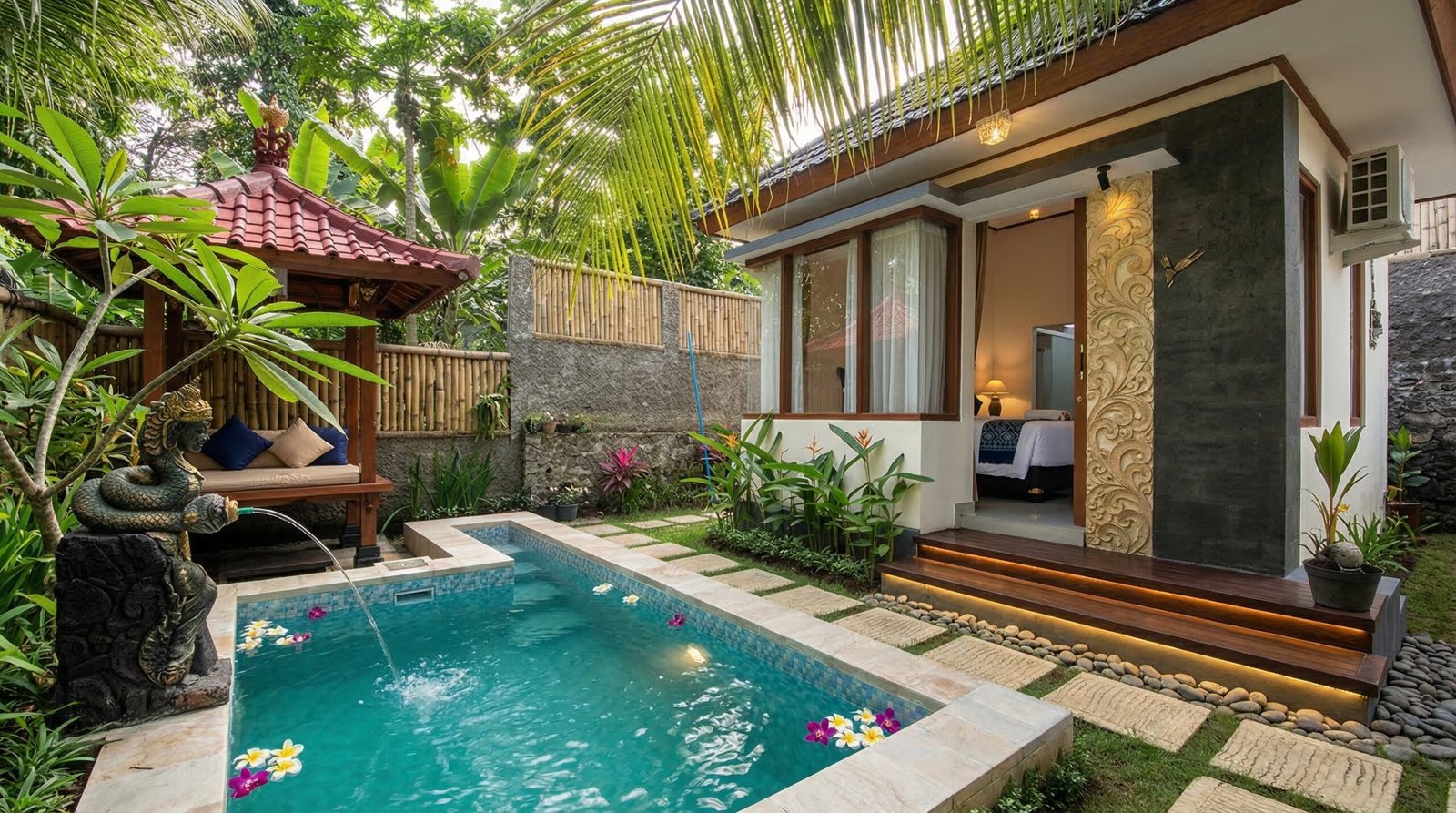
- The Post-Market Detox: After a morning of dust, noise, and adrenaline, returning to the serene, eco-friendly environment of Sparsa is pure bliss.
- Refresh: Head straight to our swimming pool to wash off the market dust, or book a foot massage at our spa to relax your tired legs.
The contrast between the bustling market and our resort is striking. It is part of the “Disconnect to Reconnect” experience we offer. Learn more in our blog: Unplug and Relax: Digital Detox at Sparsa Pollachi.
Conclusion: The Heartbeat of the South
In a world that is rapidly digitizing, places like the Pollachi Sandhai are rare anchors to our past. The Pollachi cattle market history is not preserved in a museum; it is alive, breathing, and bellowing every Tuesday morning.
Visiting the Sandhai is more than just sightseeing; it is witnessing the resilience of rural India. It is seeing the food chain in action, from the Pollachi vegetable market to the jaggery auctions. It is a reminder that despite the rise of supermarkets and apps, the oldest form of commerce—human connection—still reigns supreme.
So, grab your camera, put on your boots, and step into the pulse of the South.
Ready to experience the legend?
Book your cultural getaway at Sparsa Resorts Pollachi and let us guide you to the heart of Kongu Nadu.