Table of Contents
For the average traveler, a road is simply a means to an end—a strip of asphalt connecting Point A to Point B. But for the driving enthusiast, the biker, and the nature photographer, the road is the destination. And in South India, few roads command as much respect and awe as the legendary climb from Pollachi to Valparai.
Covering the Pollachi to Valparai distance of approximately 64 kilometers creates a journey that is less about mileage and more about elevation. It is a vertical pilgrimage that takes you from the coconut-laden plains of the Anamalai foothills to the misty, tea-carpeted peaks of the Western Ghats.
But the defining feature of this route is not just the scenery; it is the geometry. Between the Aliyar checkpost at the bottom and the town of Valparai at the top, lie 40 numbered hairpin bends. Each curve is a challenge, each turn offers a new vista, and the entire stretch is an exercise in focus and awe.
While many tourists flock to the commercialized slopes of Ooty (with its 36 hairpin bends), the route to Valparai remains raw, wild, and relatively untouched. It is a drive where you are more likely to encounter a herd of Nilgiri Tahr than a traffic jam.
In this ultimate guide, curated by Sparsa Resorts Pollachi, we take you through every twist and turn of this bucket-list drive.
The Route Breakdown: What to Expect
The Pollachi to Valparai distance might look short on Google Maps, usually estimating a travel time of 2 to 2.5 hours. However, seasoned travelers know that this drive deserves at least half a day. Rushing this route is a crime against nature.
The drive can be distinctively divided into three zones: The Plains, The Forest Climb, and The Tea Estates.
Zone 1: The Approach (Pollachi to Aliyar)
Distance: Approx. 25 km
The journey begins comfortably. As you leave the gates of Sparsa Resorts, you drive through the scenic village roads of Sethumadai and join the main road towards Aliyar. This stretch is flanked by endless coconut groves and tamarind trees. The road is straight, smooth, and gives you a looming view of the mountains you are about to conquer.
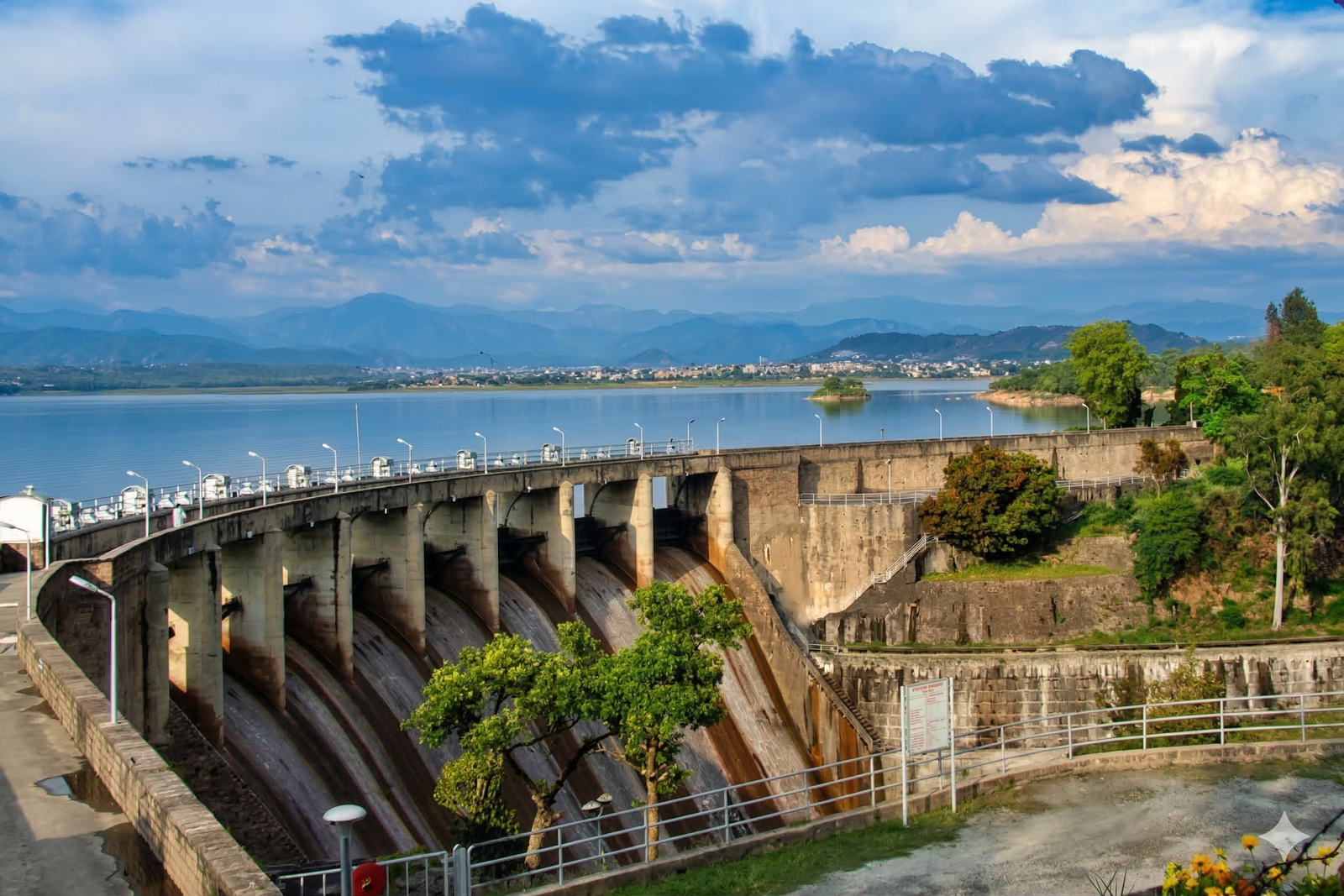
Before you start the climb, you hit the Aliyar Dam. This massive reservoir is the lifeblood of the region. It’s a great place to stop for a quick photo, but don’t linger too long—the real views are from above.
Read more about the dam in our guide: Aliyar Dam: Scenic Escape Just Minutes from Sparsa Pollachi.
Zone 2: The Ascent (The 40 Hairpin Bends)
Distance: Approx. 40 km of Ghat road
Once you pass the Forest Department Checkpost at the foothills (Alivayar), the gears shift—literally and metaphorically. The road narrows, the air cools, and the countdown begins.
Hairpin Bend 1/40:
The first few bends take you through the deciduous forest. The incline is gentle, serving as a warm-up for the driver.
Monkey Falls (Between Bend 2 and 3):
Just a few kilometers into the climb, you will hear the roar of water. Monkey Falls is a popular stop for tourists. It’s a natural cascade located right by the roadside. While it is refreshing, it can get crowded on weekends.
Planning a dip? Check out our tips in Monkey Falls: A Refreshing Day Trip from Sparsa Pollachi.
Loam’s View Point (9th Hairpin Bend):
This is the mandatory stop. If you don’t stop at the 9th hairpin bend, did you even drive to Valparai?
Loam’s View Point is a viewing deck built on the outer edge of the curve. From here, the Pollachi to Valparai distance you have covered becomes visible in a spectacular fashion. You look down upon the Aliyar Reservoir in its entirety—a vast blue expanse cradled by green hills. The geometry of the dam, the winding road below, and the dense canopy create a panorama that is a photographer’s dream.
Pro Tip: The lighting here is best in the early morning (around 8:00 AM) when the sun hits the water, or late evening when the sky turns purple.
The Silent Zone (Bends 15 to 30):
As you climb higher, the vegetation changes. You enter the wet evergreen forests of the Anamalai Tiger Reserve. This is the domain of the Lion-tailed Macaque and the Great Hornbill. The temperature drops noticeably here. Roll down your windows; the air smells of wet earth, moss, and eucalyptus.
Zone 3: The Tea Carpet (Waterfall Estate to Valparai)
By the time you hit the 30th hairpin bend, the forest canopy breaks, revealing rolling hills covered in manicured tea bushes. You have entered the “Tea Zone.”
Waterfall Estate:
You will pass through the famous Waterfall Estate. As the name suggests, there is often water cascading down the rocks amidst the tea plants during the monsoon. The contrast of the silver water against the emerald green tea leaves is striking.
Carver Marsh Statue:
Near the summit, you will find a statue of a man looking out over the hills. This is Colonel Carver Marsh, the British officer known as the “Father of the Anamalais.” He is credited with opening up this challenging terrain for tea cultivation in the 1860s. Standing next to his statue offers a panoramic view of the mountains he dedicated his life to. It is a poignant spot that connects the history of the land with its present beauty.
Wildlife Etiquette: You Are in Their Home
One critical aspect that differentiates the Pollachi to Valparai distance from other hill station drives is the wildlife. This road cuts through a protected Tiger Reserve.
- The Nilgiri Tahr: These endangered mountain goats are the masters of gravity. You will often see them perched precariously on the rocky cliffs near the 9th to 15th hairpin bends. They are generally shy but may come down to the road to lick the salt off the tarmac.
- Elephants: The Anamalai corridor is an active elephant crossing zone. If you see an elephant on the road, stop immediately. Keep your engine running but turn off your lights if it’s dark. Do not honk. Do not try to take a selfie. Reverse slowly if necessary.
- Leopards: While rare during the day, leopards are frequently spotted near the tea estates at dusk.
Crucial Rule: The forest checkpost restricts travel at night (usually closed between 6:00 PM and 6:00 AM) to minimize human-animal conflict. Plan your trip strictly during daylight hours.
Driving Tips for the 40 Bends
Conquering Valparai hairpin bends requires skill and patience. Here are some expert tips for a safe drive:
- Honk at Corners: The roads are narrow and blind. A short, sharp honk at every curve warns oncoming traffic (especially the KSRTC buses that thunder down these hills).
- Low Gears: Climb in 2nd or 3rd gear to maintain power. Descend in the same gears to use engine braking—riding your brakes on the way down will cause them to overheat and fail.
- Lane Discipline: Do not cut the corner. Stay in your lane, even if it feels tight. Oncoming buses need the entire turning radius of the hairpin bend.
- Fog Awareness: The upper reaches near Valparai are prone to sudden, dense fog, reducing visibility to near zero. Use your fog lights and hazard lights if you need to pull over.
The Photographer’s Checklist
For those carrying a DSLR or a drone, the Pollachi to Valparai distance is a goldmine.
- The S-Curve: Look for spots between the 20th and 25th bends where the road snakes in a perfect ‘S’ shape through the forest.
- The Tea Pickers: In the mornings, you will find estate workers plucking tea leaves. Their colorful attire against the green bushes makes for a classic travel portrait.
- Mist Shots: The intersection of the warm air from the plains and the cool air from the hills often creates a “sea of clouds” effect below Loam’s View Point.
For more photography inspiration in the region, explore our guide on Best Photography Spots at Sparsa Resorts Pollachi.
The Base Camp Strategy: Why Stay in Pollachi?
While Valparai is beautiful, it is a plantation town. The accommodation options up top are mostly basic lodges, government guesthouses, or isolated tea bungalows that can be difficult to access.
This is why the “Base Camp Strategy” works best for travelers who enjoy luxury.
The Strategy:
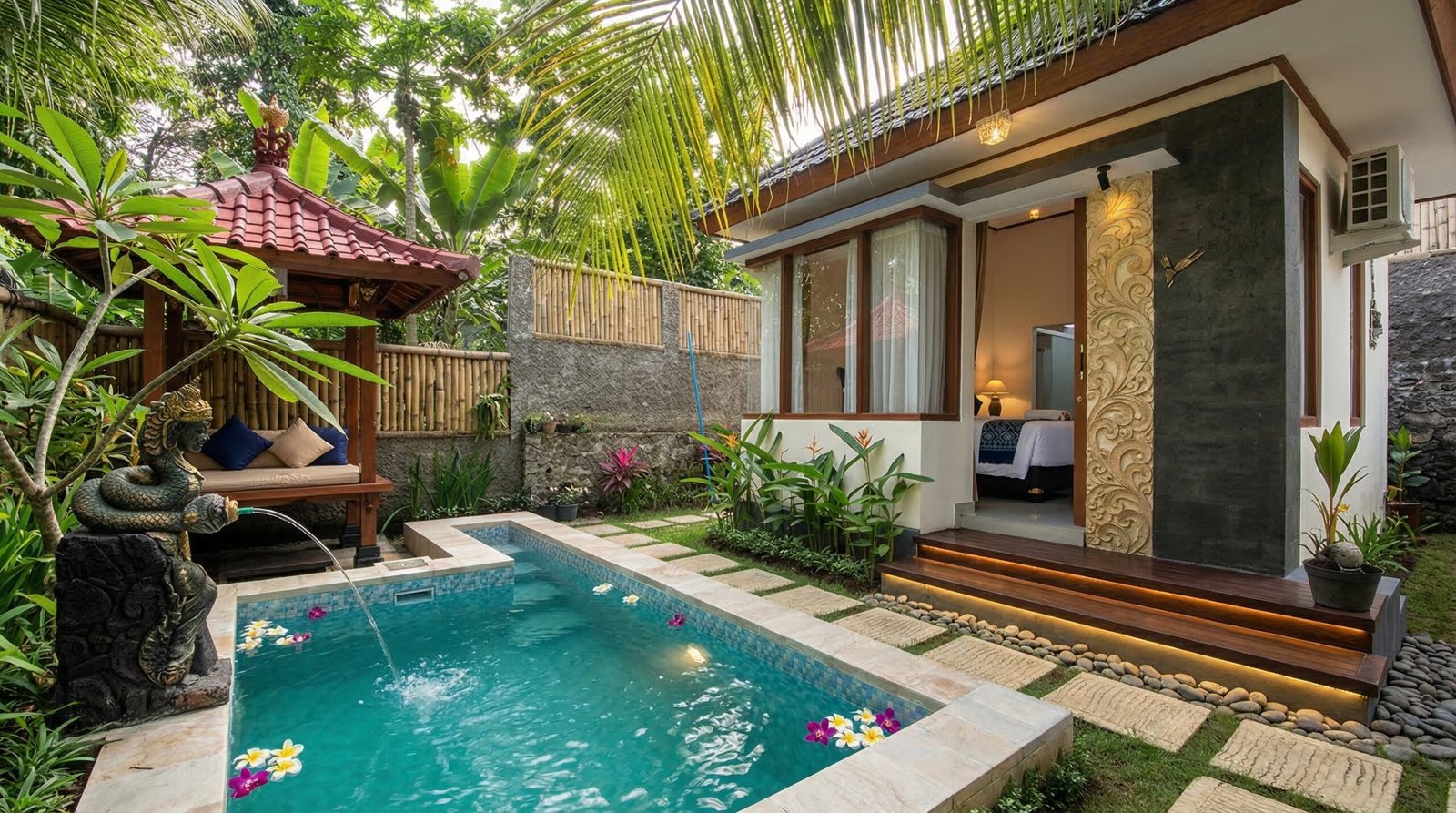
- Stay at Sparsa Resorts Pollachi: Enjoy the 4-star amenities, the swimming pool, the spa, and the eco-villas in the plains.
- Drive Up: Start your drive at 7:00 AM after a hearty breakfast at our resort.
- Explore: Spend the day conquering the Pollachi to Valparai distance, visiting the dams, the statues, and the viewpoints.
- Drive Down: Start your descent by 4:00 PM to clear the checkpost before sunset.
- Relax: Return to Sparsa by 6:00 PM for a rejuvenating foot massage at our spa to recover from the drive.
This approach gives you the best of both worlds: the thrill of the adventure and the comfort of luxury hospitality. Plus, staying in Pollachi allows you to easily visit other attractions like Topslip and Parambikulam on the next day, which are in a different direction from Valparai.
Check out why staying in the plains offers a complete experience in Nature-Focused Escapes: Staying Amid the Western Ghats.
Conclusion: The Road Less Traveled
The drive from Pollachi to Valparai is not just about reaching a hill station. It is about the rhythm of the road. It is about counting the bends—10, 20, 30, 40—and feeling a sense of accomplishment with every climb.
It is a road that demands your attention and rewards you with beauty. Unlike the commercial highways, this route forces you to slow down, look out, and appreciate the grandeur of the Western Ghats.
Whether you are a biker leaning into the curves or a family looking for a picnic spot above the clouds, the Pollachi to Valparai distance is a journey you will never forget.
Engines ready?
Book your stay at Sparsa Resorts Pollachi and make us your base camp for the ultimate driving adventure.