Table of Contents
Introduction
The first thing you notice when you step into the fringes of the Anamalai Tiger Reserve isn’t the sight of the forest, but the sound. Before the sun fully breaches the canopy, the air is pierced by a melody that sounds suspiciously like a human whistling a jaunty tune. This is the call of the Malabar Whistling Thrush, or the “Whistling Schoolboy,” whose human-like song provides a surreal soundtrack to the waking forest.
For many travelers, a trip to the Anamalai Tiger Reserve (ATR) is synonymous with the quest for the elusive Bengal Tiger or the majestic Indian Elephant. However, for the serious naturalist and the patient observer, the true magic of these ancient hills lies not on the ground, but in the canopy above.
Located in the heart of the Western Ghats—a UNESCO World Heritage site and one of the eight hottest hotspots of biological diversity in the world—Pollachi serves as the perfect gateway to an avian paradise. Whether you are a seasoned ornithologist hoping to tick off rare endemics from your life list, or a nature photographer chasing that perfect golden-hour shot, birdwatching in Pollachi offers an experience that rivals any eco-tourism destination in India.
In this comprehensive guide, we move beyond the standard safari experience to explore the specific trails, the elusive species, and the technical nuances of birding in the rainforests surrounding Sparsa Resorts.
The Avian Orchestra: Understanding the Landscape
To understand why Anamalai Tiger Reserve birds are so sought after, one must understand the terrain. The reserve spans a gradient of habitats:
- Dry deciduous forests
- Wet evergreen sholas
- Mid-elevation tropical forests
- Riparian patches
- Grassland edges
These transitions create biodiversity-rich ecotones. When you stay at Sparsa Resorts in Sethumadai, you are positioned right at this ecological edge—spotting open-country birds from your balcony and deep-forest endemics just a short drive away.
Birding here requires patience: dense foliage, filtered light, and hidden movement. Listening becomes as important as looking.
The “Big Five” of the Canopy: Endemic Lifers You Cannot Miss
For serious birders, the Western Ghats’ endemics make this region world-famous. ATR has over 250 species, but the following “lifers” are considered must-see.
1. The Great Hornbill (Buceros bicornis)
Status: Near Threatened
The Experience:
Often heard before it is seen, with loud whooshing wingbeats.
Best spotted flying across valleys, giving a prehistoric feel.
Best Spot: Parambikulam and older Topslip forests
Pro Tip:
- Watch fruiting fig trees; hornbills return repeatedly.
2. The Malabar Whistling Thrush (Myophonus horsfieldii)
Status: Least Concern (Endemic)
The Experience:
Common but unforgettable due to its human-like whistle.
Electric blue plumage glows in sunlight.
Best Spot: Streams along the Topslip road
3. Sri Lankan Frogmouth (Batrachostomus moniliger)
Status: Least Concern
The Experience:
A nocturnal master of camouflage, mimicking branches during the day.
Best Spot: Dense bamboo thickets near Sethumadai and Topslip
4. White-bellied Treepie (Dendrocitta leucogastra)
Status: Least Concern (Endemic)
The Experience: A forest specialist, colourful and often part of bird waves.
Best Spot: Karian Shola mid-canopy
5. Malabar Trogon (Harpactes fasciatus)
Status: Least Concern
The Experience: Iconic rainforest beauty; males bright crimson, females ochre-yellow.
Often sits motionless—ideal for photography.
Mapping the Territory: Top Birding Trails
The Pollachi–Anamalai landscape is divided into three key birding zones.
Zone A: Topslip & Karian Shola
Distance: ~12 km from Sparsa
The Terrain:
- Walkable trails
- Dense shola patches
- Old-growth rainforest
Target Species:
- Malabar Trogon
- Heart-spotted, White-bellied, Greater Flameback Woodpeckers
- Asian Fairy-bluebird
Strategy:
- Reach checkpost early (6–7 AM)
- Best bird activity during first two hours after sunrise
Zone B: Parambikulam Tiger Reserve
Access via Topslip
The Terrain:
A mix of teak plantations, evergreen forests, and reservoirs.
Target Species:
- Great Hornbill
- Lesser Fish Eagle
- Darter
- Cormorants
- Stork-billed Kingfisher
Strategy:
- Combine jeep safari + bamboo rafting
- Winter attracts Osprey and Grey-headed Fish Eagles
Zone C: Sethumadai & Sparsa Grounds
Location: Around the resort itself
The Terrain:
- Coconut groves
- Cocoa plantations
- Farmland hedges
Common Species:
- Purple Sunbird
- Loten’s Sunbird
- Brahminy Kite
- Green Bee-eater
- Indian Roller
- Mottled Wood Owl
- Spotted Owlet
Strategy:
- Take a relaxed early-morning coffee walk
Through the Lens: Photography Tips for the Rainforest
Mastering the ISO
- Rainforest lighting is dim
- ISO 1600–3200 is normal
- Grain is better than blur
Spot Metering is Key
- Prevents overexposure of bright sky backgrounds
- Useful for dark birds like Whistling Thrush
Equipment Choices
- 600mm prime = best quality but heavy
- 100–400mm or 200–500mm zoom = ideal for trails
- Monopod more practical than tripod
The “Perch” Patience
- Birds return to favourite branches
- Pre-focus and wait quietly
Seasonality: When to Pack Your Binoculars
The Winter Migrants (November – February)
Best overall birding season.
Migrants include:
- Indian Pitta
- Verditer Flycatcher
- Various Warblers
The Monsoon Magic (June – September)
- Breeding season for residents
- Forest is alive with calls
- Malabar Whistling Thrush sings most often during rains
- Misty, dramatic scenery
Ethical Birding: The Code of Conduct
- No playback of bird calls
- Keep distance from nests
- Avoid flash for nocturnal species
- Respect forest silence
- Follow eco-tourism etiquette
Stay & Logistics: Why Sparsa is the Birder’s Base Camp
The Sparsa Advantage
- Minutes away from Aliyar Dam and Topslip checkpost
- Ideal for early morning birding
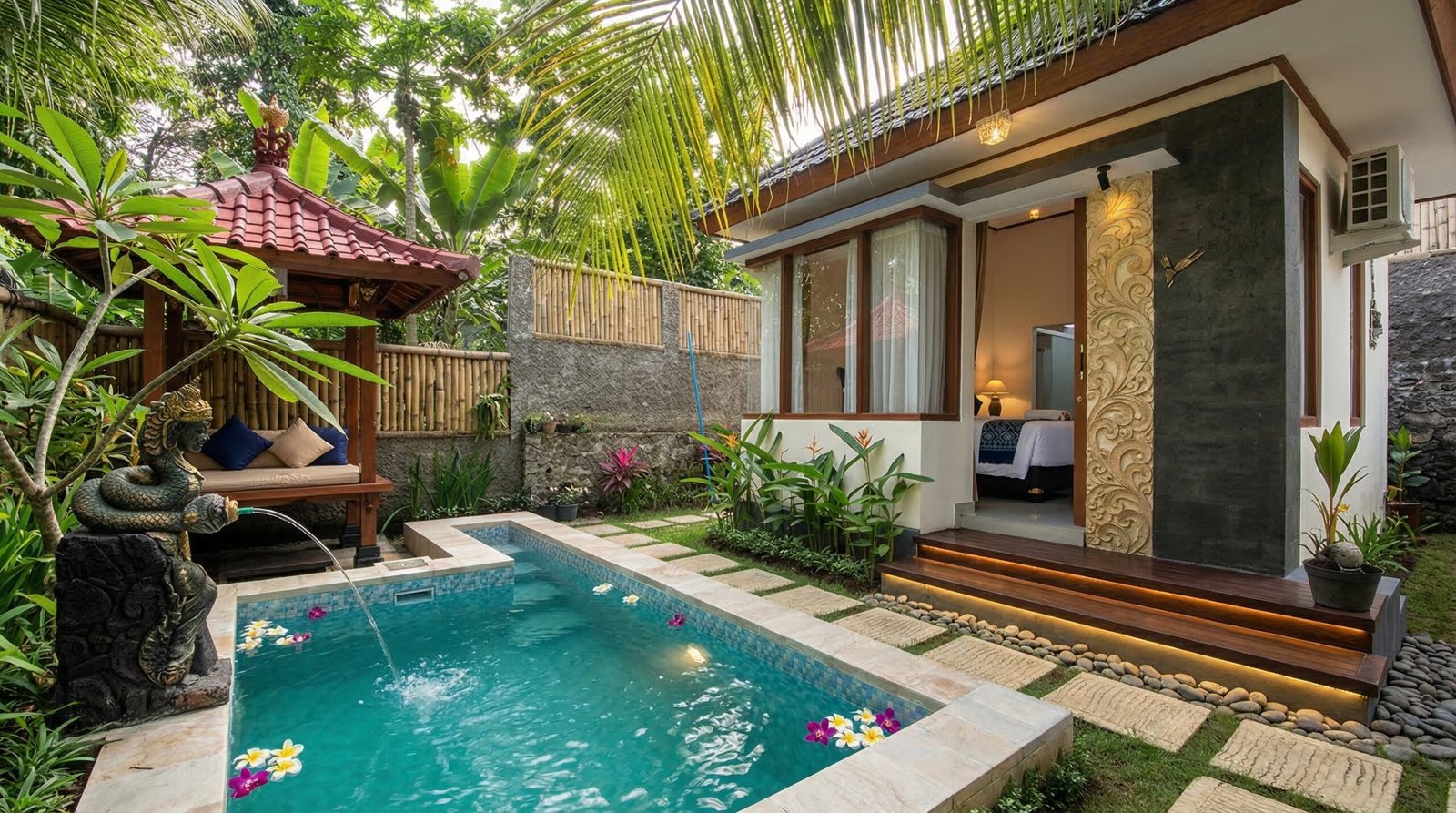
- Eco-friendly villas to relax after treks
- Experienced local guides are available in the region for specialized birdwatching tours
Whether your goal is to see the Sri Lankan Frogmouth or wake up to the Whistling Thrush, Sparsa offers comfort perfectly blended with nature.