Table of Contents
When travelers think of Pollachi
When travelers think of Pollachi, the mind instinctively drifts to the emerald expanse of coconut groves, the misty peaks of the Anamalai Hills, and the roar of Monkey Falls. It is celebrated as a nature lover’s sanctuary. But beneath the canopy of green lies a golden chapter of history—a narrative of warrior chieftains, benevolent landlords, and architectural marvels that rival the heritage homes of Chettinad or Kerala.
This is the story of the Pollachi Zamin palaces.
While the tourists flock to the tiger reserves, a different kind of explorer heads into the quiet villages surrounding Pollachi. Here, hidden behind massive wooden gates and centuries-old banyan trees, stand the ancestral homes of the “Polygars” (Palayakkarars). These are not just buildings; they are living museums of a bygone era, maintained by the descendants of the royal families who once ruled this fertile land.
For the history buff, the architecture lover, and the cultural traveler, exploring these Zamins offers a glimpse into a sophisticated feudal past that shaped the Kongu region. In this guide, we take you on an exclusive architectural tour of Pollachi’s royal heritage.
The Legacy of the Polygars: Who Were the Zamindars?
To appreciate the Pollachi Zamin palaces, one must understand the people who built them. The term “Zamin” or “Zamindar” refers to the aristocratic landlords who administered the region. However, their history goes deeper.
Originally known as Palayakkarars (Polygars) under the Vijayanagara Empire and the Madurai Nayaks, these were warrior chieftains tasked with maintaining law, order, and standing armies. When the British East India Company took control, these warrior clans were transitioned into “Zamindars”—permanent landlords with vast agricultural estates.
Unlike the ostentatious marble palaces of the North Indian maharajas, the palaces of the Kongu Zamindars are understated, blending seamlessly with the agrarian landscape. They were built for function as much as for form, serving as administrative centers (Kacheri), community granaries, and residences.
Samathur Zamin Palace: The Jewel of the Vanavarayars
Overview
Location: Samathur (approx. 7 km from Pollachi)
Ruling Clan: The Vanavarayar Family
The Samathur Zamin is perhaps the most well-preserved and culturally significant of the Pollachi Zamin palaces. Home to the Vanavarayar family for over 700 years, this estate is a masterclass in cross-cultural architecture.
The Architecture: Where Kerala Meets Tamil Nadu
Pollachi sits on the Palghat Gap, a geographic break in the Western Ghats that connects Tamil Nadu to Kerala. This proximity is vividly reflected in the architecture of the Samathur Palace.
Architectural Elements:
- The Roofs: Steep, red-tiled sloping roofs typical of Kerala architecture
- The Thinnai: Broad, pillared verandas characteristic of Tamil homes
- Intricate Woodwork: Ceilings adorned with Dasavatharam carvings
- The Granaries: Huge wooden structures showcasing agricultural strength
The Shenbaga Vilaasam Connection
Connected to the Samathur Zamin history is the “Shenbaga Vilaasam,” a farm retreat built in the 1930s by the late Zamindarini. It was named after the family deity and served as a quiet escape from the main palace. Today, it stands as a prime example of heritage conservation.
Must-See Nearby
Just a stone’s throw from the palace is the Chozaheeswarar Temple, an ancient Shiva temple patronized by the family. The inscriptions here date back centuries, offering a tangible link to the Chola period.
For first-time visitors to the region, combining a visit to Samathur with a nature trip is ideal. Check out our guide on Top 10 Things to Do in Pollachi for First-Time Visitors to plan your itinerary.
Uthukuli Zamin Palace: 800 Years of Water and Stone
Overview
Location: Uthukuli (Outskirts of Pollachi)
Ruling Clan: The Kalingarayar Family
If Samathur is about cultural preservation, Uthukuli Zamin history is about engineering and antiquity. This palace is the seat of the Kalingarayar family, one of the oldest ruling clans in the Kongu region.
The Legacy of the Kalingarayar Canal
The Kalingarayar name is legendary in Western Tamil Nadu, primarily due to the 13th-century chieftain, Lingaya Gounder (later titled Kalingarayar). He is credited with constructing the Kalingarayar Canal, a 90-kilometer irrigation marvel that connected the Bhavani and Noyyal rivers. This feat of engineering transformed the dry lands of the Erode-Pollachi belt into a fertile rice bowl.
According to historical records, the chieftain was so dedicated to the project that he vowed not to shave until the canal was completed—a vow he kept for 12 years.
The Palace Architecture
The Uthukuli Palace is a sprawling complex that feels more like a fortress of solitude.
Key Details:
- Age: Parts of the palace are nearly 800 years old
- Durbar Hall: Pillared teak and stone hall for administrative court
- Pre-Mughal Artifacts: Indigenous Tamil weaponry and art
- The Scale: Massive inner courtyards (Mutram) enabling natural cooling
Puravipalayam Zamin: The Mystical Estate
Overview
Location: Puravipalayam
Famous For: The Thousand Pillared Banyan Tree & The Hunter Temple
While Samathur and Uthukuli are celebrated for their architecture, the Puravipalayam Zamin is shrouded in mysticism and rustic charm. This estate offers a rawer, more potent connection to the “Polygar” past.
The Thousand Pillared Banyan Tree
Before you even reach the palace, you are greeted by a massive banyan tree spreading across acres. It is a favorite spot for:
- Film crews
- Photographers
- Nature lovers
Photography enthusiasts staying at Sparsa often make the trip here for the enchanting lighting conditions under the canopy.
The Vettaikaran Temple
The Zamin is closely linked to the Vettaikaran (Hunter) Temple. As Polygars were traditionally hunters who protected their lands, the temple honors this martial past. Rituals here reflect folk traditions rather than classical temple ceremonies.
Singanallur Palace: The Cinematic Icon
For fans of Tamil cinema, the Singanallur Palace often feels familiar. Its facade has appeared in films such as:
- Thevar Magan
- Sarkar
Though a private residence, its iconic exterior reflects the wealth and power these Zamin families once commanded.
Architectural Elements to Look For
The Thinnai (The Veranda)
Every Zamin palace begins with a raised Thinnai—used to receive travelers, settle disputes, and host guests.
The Mitta and Mutram
The interiors revolve around courtyards (Mutram). Larger palaces contain multiple courtyards designated for:
- Business
- Family
- Kitchen/service activities
The Flooring
Red Oxide flooring—made from egg whites, lime, and red oxide—creates a cool, smooth, long-lasting surface. It is a lost art that modern builders struggle to replicate.
The aesthetic of Sparsa Resorts draws inspiration from this traditional elegance.
Visitor Etiquette: How to Explore
Pollachi Zamin palaces are still private homes.
Important Guidelines:
- Permission is required to enter
- Guided tours recommended (e.g., Thadam Experiences)
- Dress modestly (like temple attire)
- Always ask before taking photos
Staying at Sparsa: The Gateway to Heritage
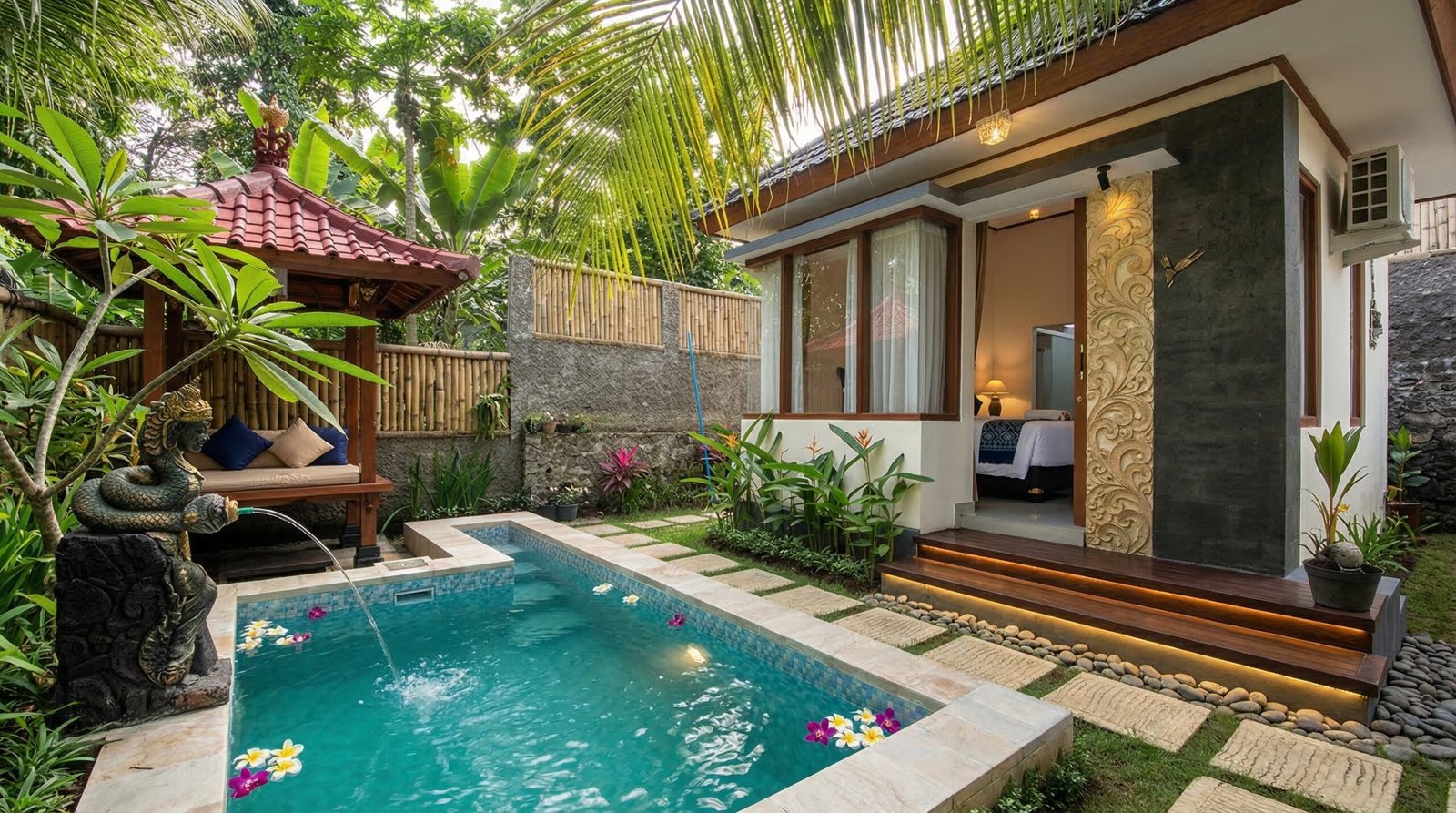
After exploring centuries-old architecture and tales of warrior clans, Sparsa Resorts Pollachi provides a serene base.
What Sparsa Offers:
- Architecture inspired by Kongu heritage
- Eco-friendly materials and sloping roofs
- Heritage guides are available in the region for those interested
- Peaceful ambiance ideal for reflection and relaxation
Conclusion
Pollachi is more than just a stopover for the Anamalai Tiger Reserve. It is a land where history lives and breathes in the teak wood pillars and red-tiled roofs of its Zamin palaces.
To visit the Samathur or Uthukuli palace is to step into a time where honor shaped society and art enriched everyday life. It is a journey into the heart of the Kongu region—a journey every culture lover must take.
Are you ready to walk the corridors of history?
Book your stay at Sparsa Resorts Pollachi and uncover the royal secrets of the South.
For more information on the history of the region and the Vanavarayar family’s conservation efforts, you can read this feature in The Hindu.